Mburo means swamp in the local language, and this is a gentle, wooded park of grassland, wetland and acacia savanna. You are on foot or in a canoe here, not behind glass.
Mburo means swamp in the local language, and this is a gentle, wooded park of grassland, wetland and acacia savanna. You are on foot or in a canoe here, not behind glass.
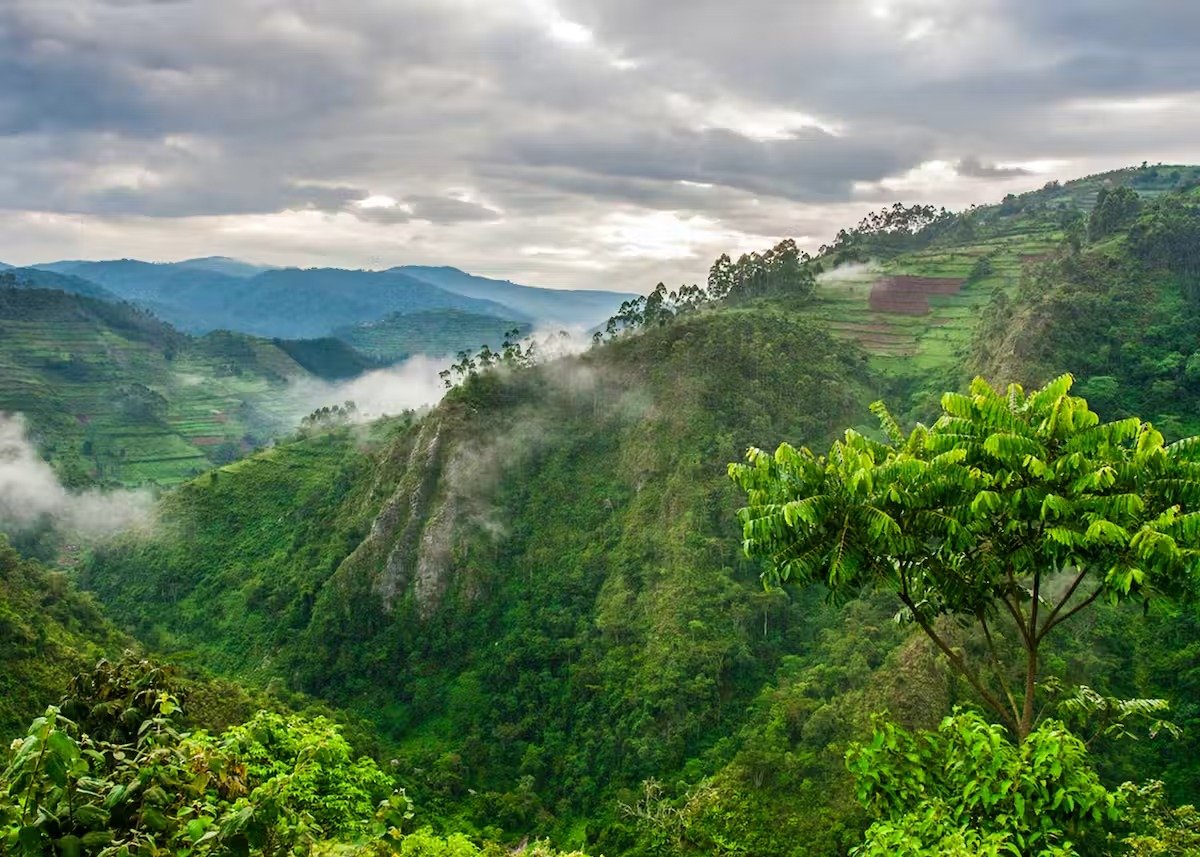
Lake Mburo National Park covers 1,030 square kilometres of western Uganda, east of Mbarara and on the border with Tanzania. Mburo is the local word for swamp, and the name is apt: the park is a mosaic of rolling grassland, acacia woodland, swamp and the fringes of Lake Mburo itself, sitting at roughly 1,200 metres.
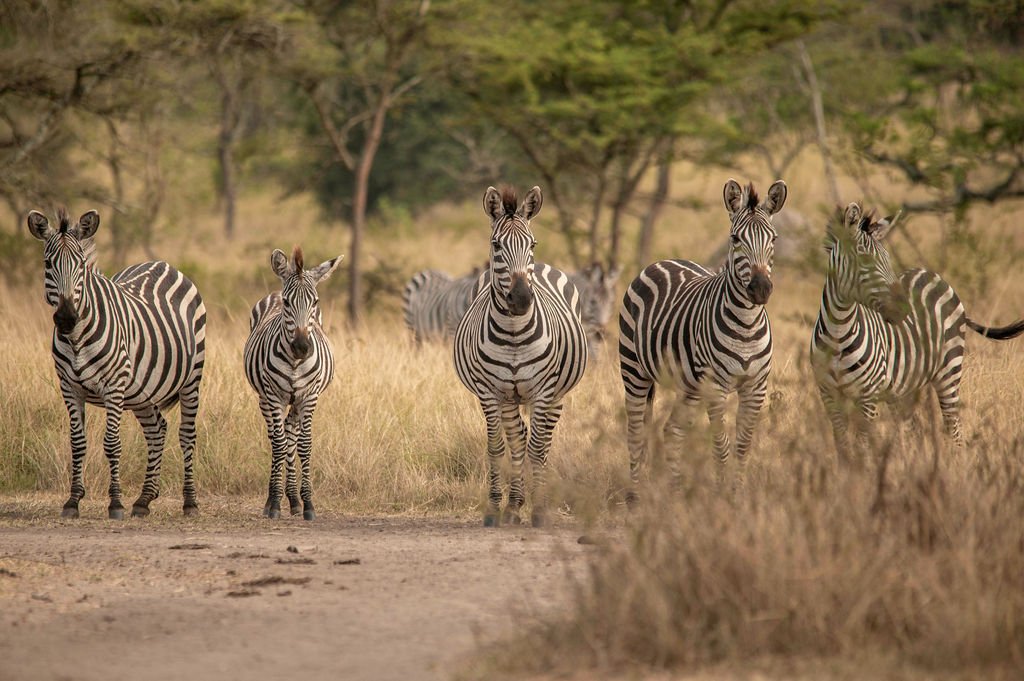
This is Uganda's most unusual park, because it is not a big-animal park at all. There are no rhinos, no hippo pools and no elephant herds. What Lake Mburo offers instead is 80-plus mammal species, more than 600 bird species, and the closest, most personal wildlife encounters in the country, because almost all of it happens at walking pace.
Lions were reintroduced to the park in 2015, drawn from Queen Elizabeth National Park, and have bred successfully. Leopard, side-striped jackal, waterbuck, kob, topi, buffalo, sitatunga and a healthy population of Uganda kob share the grassland with them.
It pairs naturally with Kyambura Gorge, a short drive away, and with Lake Bunyonyi and Lake Mutanda in the hills to the north.
Mburo means swamp in the local language, and this is a gentle, wooded park of grassland, wetland and acacia savanna. You are on foot or in a canoe here, not behind glass.
A reintroduced lion population now breeds here, and leopard are regularly seen in the wooded sections, particularly around the lake shore at dawn and dusk.
Waterbuck, kob, topi, bushbuck, sitatunga and common duiker share the grassland. Sitatunga, a semi-aquatic antelope that hides in swamp, is the park's signature sighting.
More than 600 species have been recorded, among the richest lists in Uganda. Papyrus swamp species, Grey-crowned Crane, Shoebill, lilac-breasted roller and the endemic Albertine Rift endemics are all findable with a good guide.
Black-and-white colobus, red colobus and blue monkey occupy the wooded strips, and forest edges along the lake host warblers and sunbirds in high numbers.
The swamp system supports crocodile, hippopotamus-free waterbird colonies, and the wetland birding is the reason many visitors add Lake Mburo to an itinerary.
Colobus and blue monkey are common in the trees; chimpanzee tracking is available nearby at Kyambura Gorge, though not inside the park itself.
Guided walking and night walks are the core experience here, with an armed tracker and park guide. The whole park is walkable and there is no vehicle on most of the routes.
Paddle the swamp channels at dawn, which is the best way to see sitatunga, shoebill and the smaller wetland birds up close.
Ride across the grassland with an armed ranger. A favourite with birders, who cover far more ground than on foot.
Vehicle drives run on the main circuits in the dry season, mainly to reach the lake shore and the far southern sections.
One of Uganda's strongest birding destinations, with a guide who knows the call of every species in the swamp.
Spotting walks for bush pigs, civets, genets, potoos and other nocturnal species.
Lodges listed are indicative. Tell us your budget and lodge preference and we will match it when we build your itinerary.
| Location | Lodge | Basis |
|---|---|---|
| Lake Mburo sector | Mubuku Lodge | Full Board |
| Lake Mburo sector | Waterfowl Safari Lodge | Full Board |
| Nyakasoro (near the airstrip) | Nyakasoro Lodge | Full Board |
| Anaka (private, off the main park) | Anaka Community Lodge | Full Board |
| Entebbe (on the way in) | Papyrus Guest House | Bed & Breakfast |
Scheduled flights run Entebbe to Mbarara, then roughly 1.5 hours by road to the lake sector. Many itineraries fly into Kihihi for the gorilla parks and drive the Mbarara leg separately.
From Kampala it is about 370 km and six to seven hours via Mbarara. From Kasese, after Bwindi or Queen Elizabeth, it is around 250 km and four hours.
Lake Mburo sits neatly between Bwindi to the west and Mbarara to the east, which makes it an easy two or three night add-on to a southern Uganda itinerary.
Walking safaris run year round and are arguably better in the wet season, when game concentrates near water and the landscape is green. Game driving on the main circuits is more reliable from June to August and December to February.
This is a birding park as much as a mammal park. A good pair of binoculars and a spotting scope make a large difference, and any decent guide here is also a serious birder.
The wetland sections carry malaria and the lake environment means reliable mosquito protection, including repellent and treated nets.
Do not judge this park on a game drive alone. The point of Lake Mburo is the walking and canoe safaris, and a two-night stay is the minimum worth giving it.
These are the itineraries our travellers book most often for this destination. All can be adjusted to your dates, pace and budget.