A single park holding volcanic craters, open plains, tropical forest and wetland, each with its own wildlife. This is the most complete safari park in Uganda.
A single park holding volcanic craters, open plains, tropical forest and wetland, each with its own wildlife. This is the most complete safari park in Uganda.
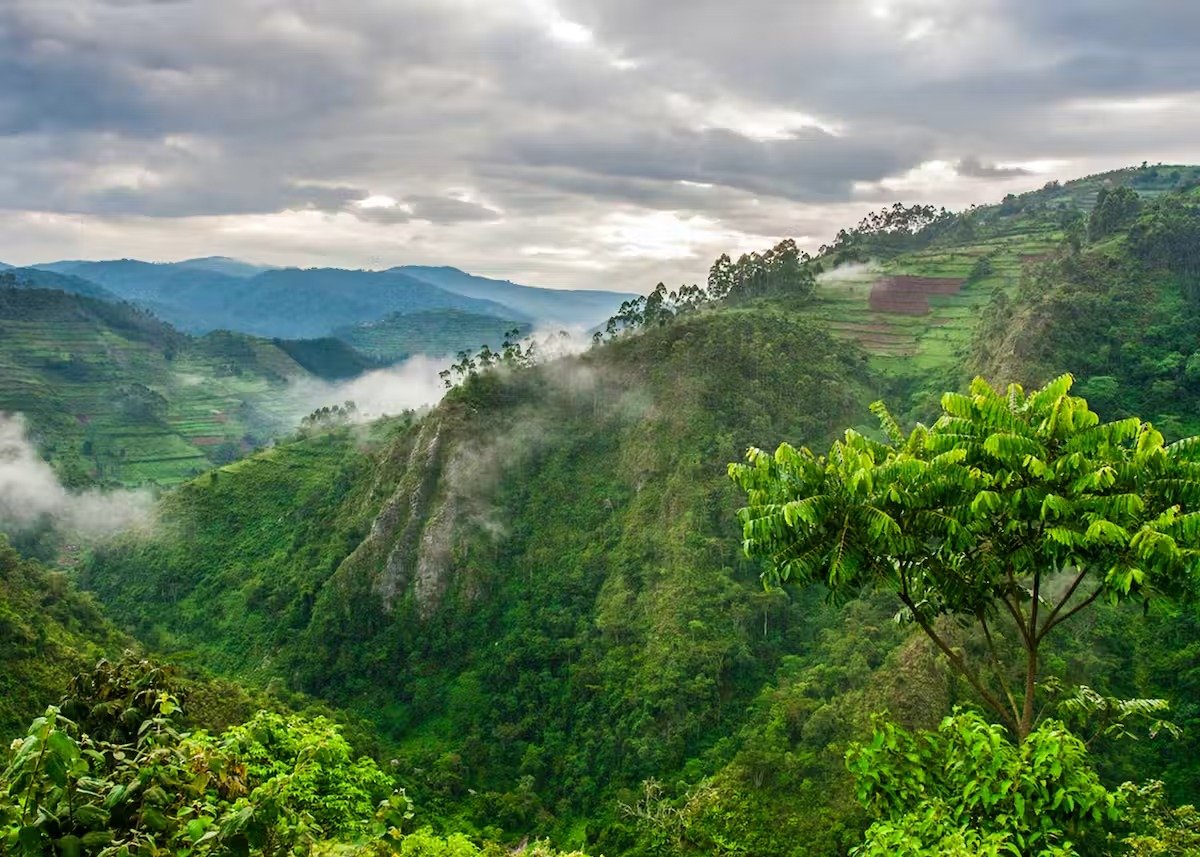
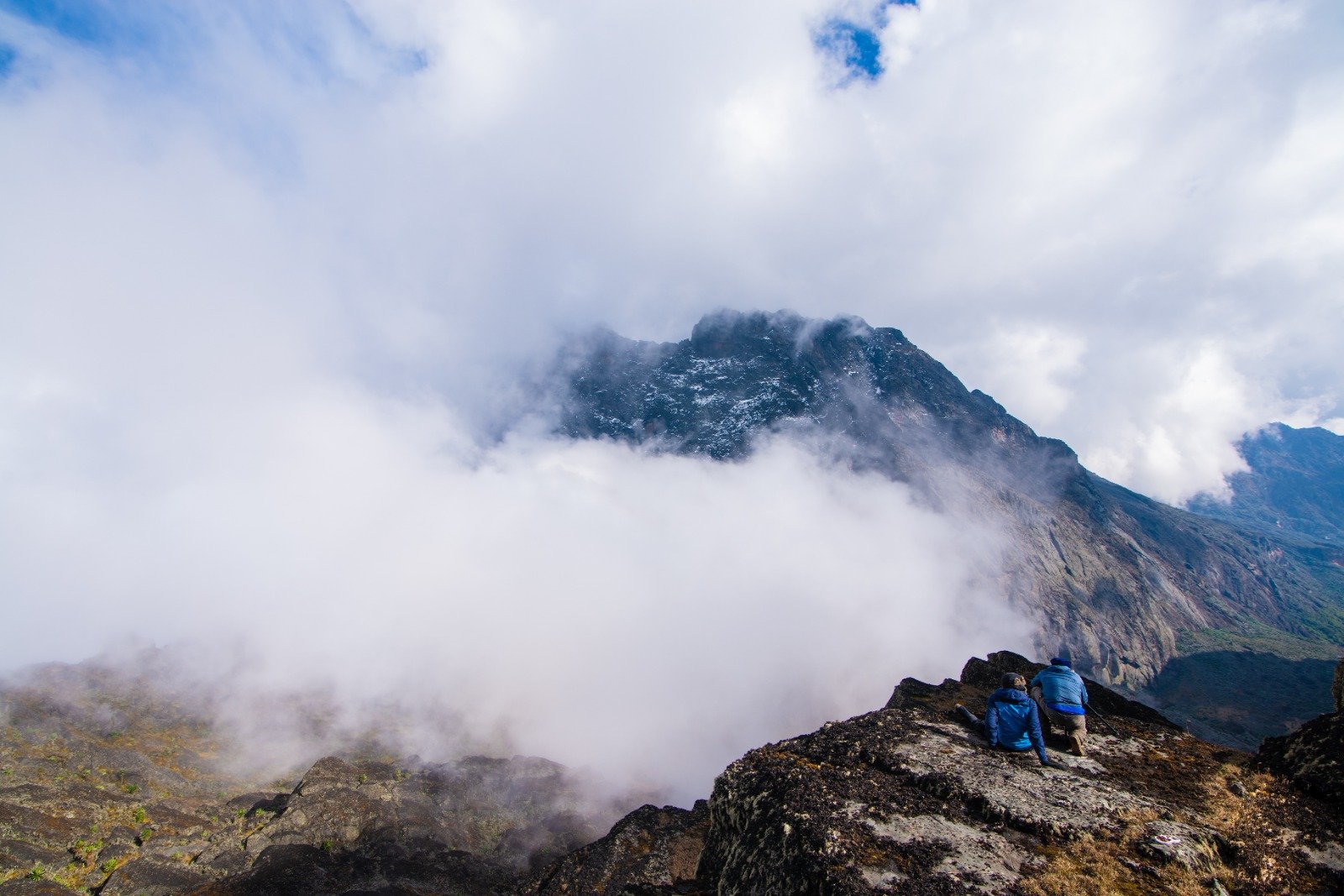
Queen Elizabeth National Park spreads across 1,977 square kilometres in western Uganda, where the Rwenzori Mountains drop away into the Albertine Rift. It is a park with several identities at once: open grassland on the Kasenyi plains, dense gallery forest along the Kazinga Channel, crater lakes in the west, and wooded savannah in the remote Ishasha sector to the south.
The result is the most varied single park in Uganda. A single morning's game drive can put you in front of elephant, buffalo, kob and waterbuck on the plains; a single afternoon's boat trip puts you on the water at eye level with the channel's hippo population, the largest in the country.
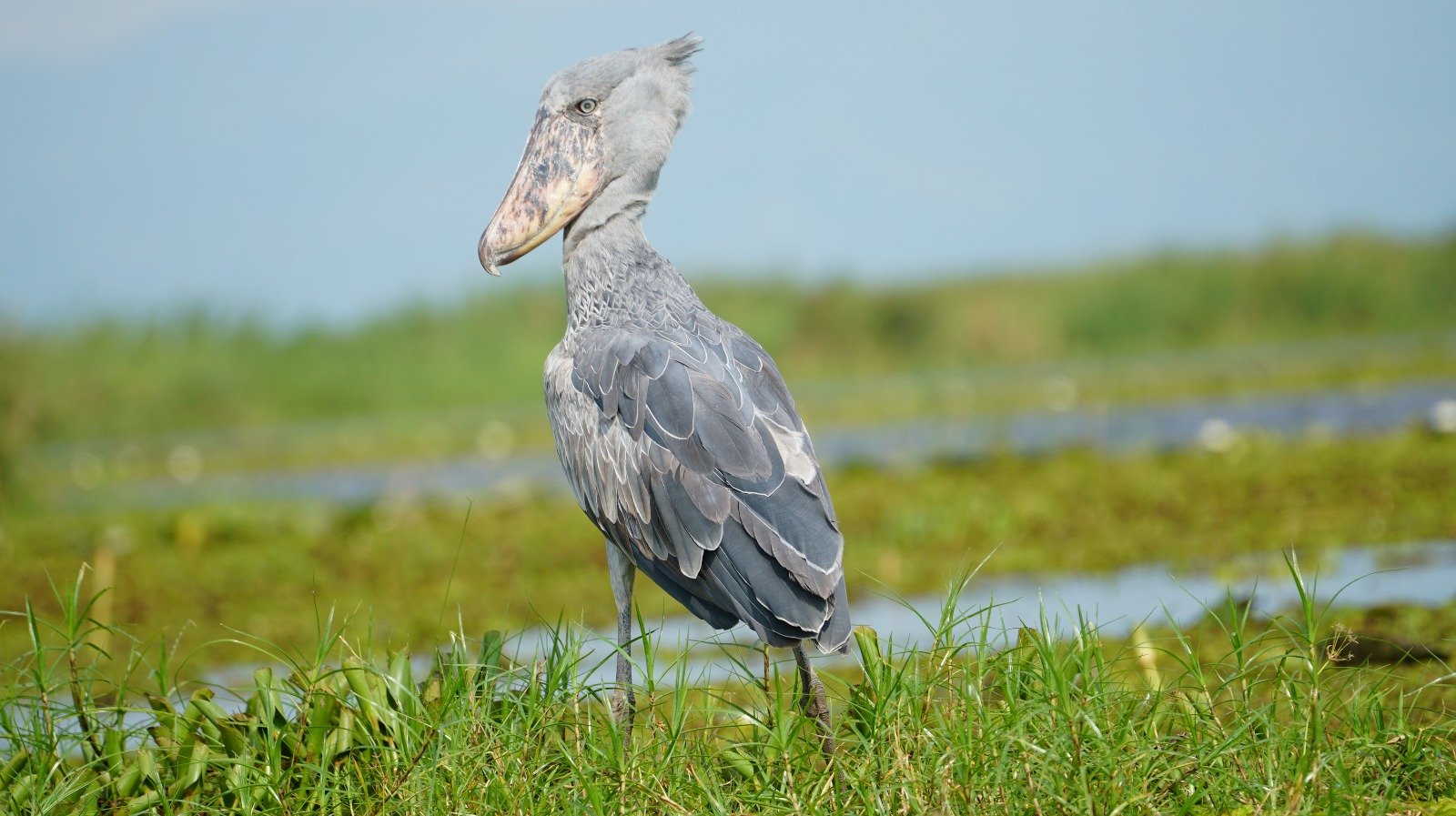
The park is best known for two things that appear nowhere else in the same combination. First, the Kazinga Channel, where a boat cruise puts you among hippo, elephants and shoebill without leaving the vessel. Second, the Ishasha sector, home to a population of lions that climb sycamore fig trees to rest, a behaviour recorded in only two places on the continent.
The park was gazetted in 1952 and named for Queen Elizabeth II, who visited Uganda that year. Four UNESCO World Heritage nominations covering the Rwenzori, Virunga and Mwanga forest regions all reference it.
A single park holding volcanic craters, open plains, tropical forest and wetland, each with its own wildlife. This is the most complete safari park in Uganda.
A 3 km-long, 120 m deep gorge cut into the forest northwest of the main park. A half-day walk here tracks chimpanzees with far more confidence than anywhere else in Uganda, alongside red-tailed monkeys, black-and-white colobus and eleven species of butterfly. Walking is on the gorge floor, which is thick with guano and can smell strongly.
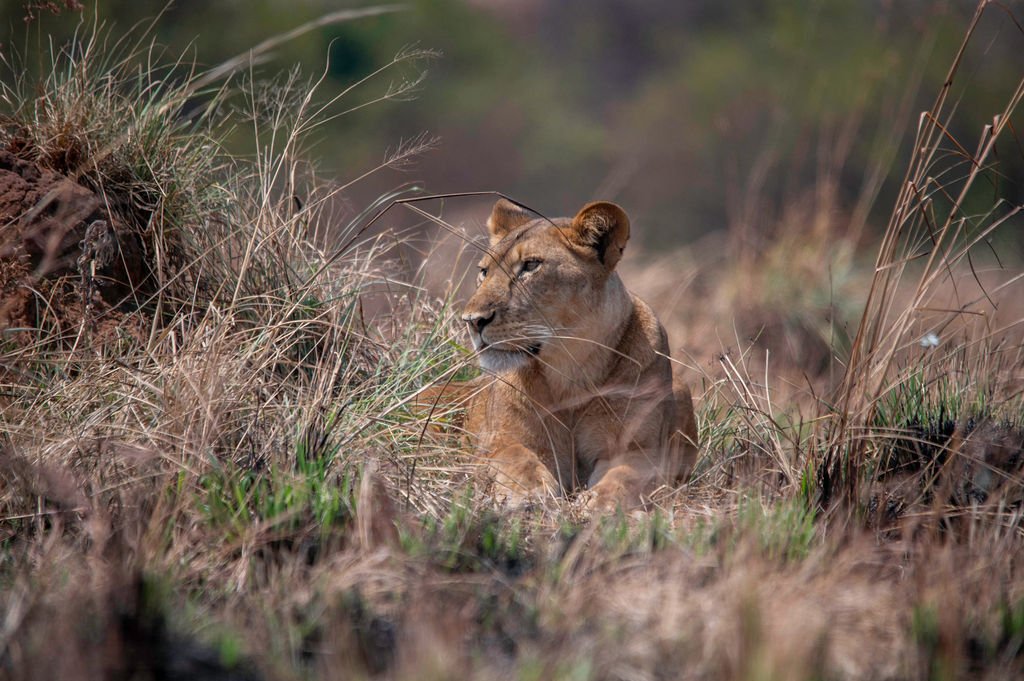
In the southern sector, lions climb into the sycamore fig trees to rest out of the heat, a behaviour found nowhere else in Africa outside one private reserve in neighbouring Tanzania. The plains here mix lantana bush and fig woodland, and you will also find buffalo, elephants, Ugandan kob, topi and black-and-white colobus.
The 32 km channel connecting Lake George and Lake Edward holds the largest hippo population in Uganda, alongside elephant, waterbuck and large schools of malachite kingfishers, saddle-billed storks and pink-backed pelicans. Standard boat trips run two hours; longer excursions and sunset cruises are available on request.
Southwest of the main park, community salt harvesters have worked shallow lakes for generations. Visitors can walk out to the pans with local guides, an unusual and genuinely humbling hour in Uganda.
Lake George, Lake Edward and a chain of smaller crater lakes fill the western arm of the park, fringed by crater rims. Large numbers of waterbirds gather here, and the surrounding forest holds forest elephant, giant forest hog and red colobus.
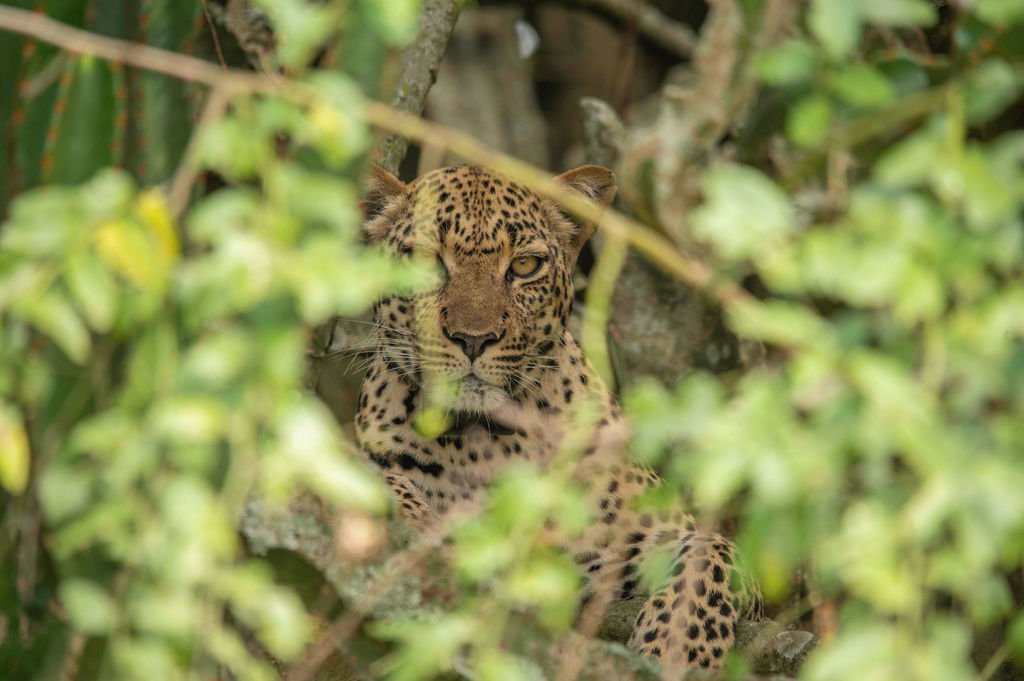
The open grassland of the Kasenyi plains, north of the Mweya peninsula, is the park's big-cat country. Lion, leopard, elephant, buffalo and large herds of kob all show well here on morning drives, and because the ground is open the animals are easy to see at a distance. Most vehicle-based game viewing in the park happens on these plains.
Morning and afternoon drives on the Kasenyi plains, the Mweya peninsula and the Ishasha sector. Six-wheel-drive vehicles are used in the rough southern sections.
Two-hour trips along the channel with an open deck, ideal for hippo, elephant and birdlife. Private and sunset departures can be arranged.
A half-day forest walk tracking a habituated chimpanzee community, with a very high success rate because the group is small and the terrain confines them.
More than 600 species are recorded, including the papyrus gonolek, Shoebill, Grey-crowned Crane and the endemic Albertine Rift birds. Papyrus swamps around the channel are the place to look.
Guided walks near Mweya, in the Marambamba salt pans, and along the Kyambura trails.
Spotlighting drives for bush pigs, civets, genet and other species that sleep through the day. Available on request at some lodges.
Lodges listed are indicative. Tell us your budget and lodge preference and we will match it when we build your itinerary.
| Location | Lodge | Basis |
|---|---|---|
| Kasenyi Plains | Kasenyi Safari Lodge, Katara Lodge | Full Board |
| Mweya Peninsula | Mweya Safari Lodge, Katara Lodge | Full Board |
| Ishasha sector | Ishasha Wilderness Camp | Full Board |
| Kyambura area | Kyambura Gorge Lodge | Full Board |
| Entebbe (on the way in) | Papyrus Guest House | Bed & Breakfast |
Scheduled flights run Entebbe to Kasese (Kihihi). From Kasese it is roughly two to three hours by road to the park's northern gate. Most itineraries combine this with a light aircraft between Kihihi and Mweya.
From Kampala it is around 400 km to the Ishasha gate and 420 km to Kasese, typically a seven to nine hour drive on good tarmac with a stop at the equator. Fly one leg and drive the other if you want more time in the park.
Boda bodas and minibuses run from Kasese to Katwe and beyond, but we do not recommend them for the final section. A private vehicle is far safer and more flexible for self-drive.
June to August and December to February give the driest ground and the best game viewing. The Ishasha sector is at its best in the dry months, when lions are in the trees and game concentrates around the remaining water. Some sections close or become difficult in the heavy rains of April and May.
The Kazinga Channel boat operates on lake conditions and can be cancelled when the water is rough. Build it into a two-day window rather than a fixed slot if it is the highlight of your trip.
Uganda offers e-visas online, and most travellers apply ahead of arrival. Entry visas are also available on arrival at Entebbe International Airport. Travellers continuing into Rwanda or Kenya should ask us about the East Africa Tourist Visa.
Chimpanzee permits at Kyambura Gorge and park entrance fees are quoted separately and change with official rates. Send us your dates and we will price them in with your quote.
These are the itineraries our travellers book most often for this destination. All can be adjusted to your dates, pace and budget.