The Virunga volcanoes, where Dian Fossey spent twenty years and where mountain gorillas live in numbers no other park can match. This is Rwanda's single essential destination.
The Virunga volcanoes, where Dian Fossey spent twenty years and where mountain gorillas live in numbers no other park can match. This is Rwanda's single essential destination.
Volcanoes National Park covers 127 square kilometres of north-western Rwanda, in the Virunga mountains along the border with Uganda and the Democratic Republic of the Congo. It is a UNESCO World Heritage Site in its own right, and forms part of a larger transnational site with the neighbouring Virunga parks.
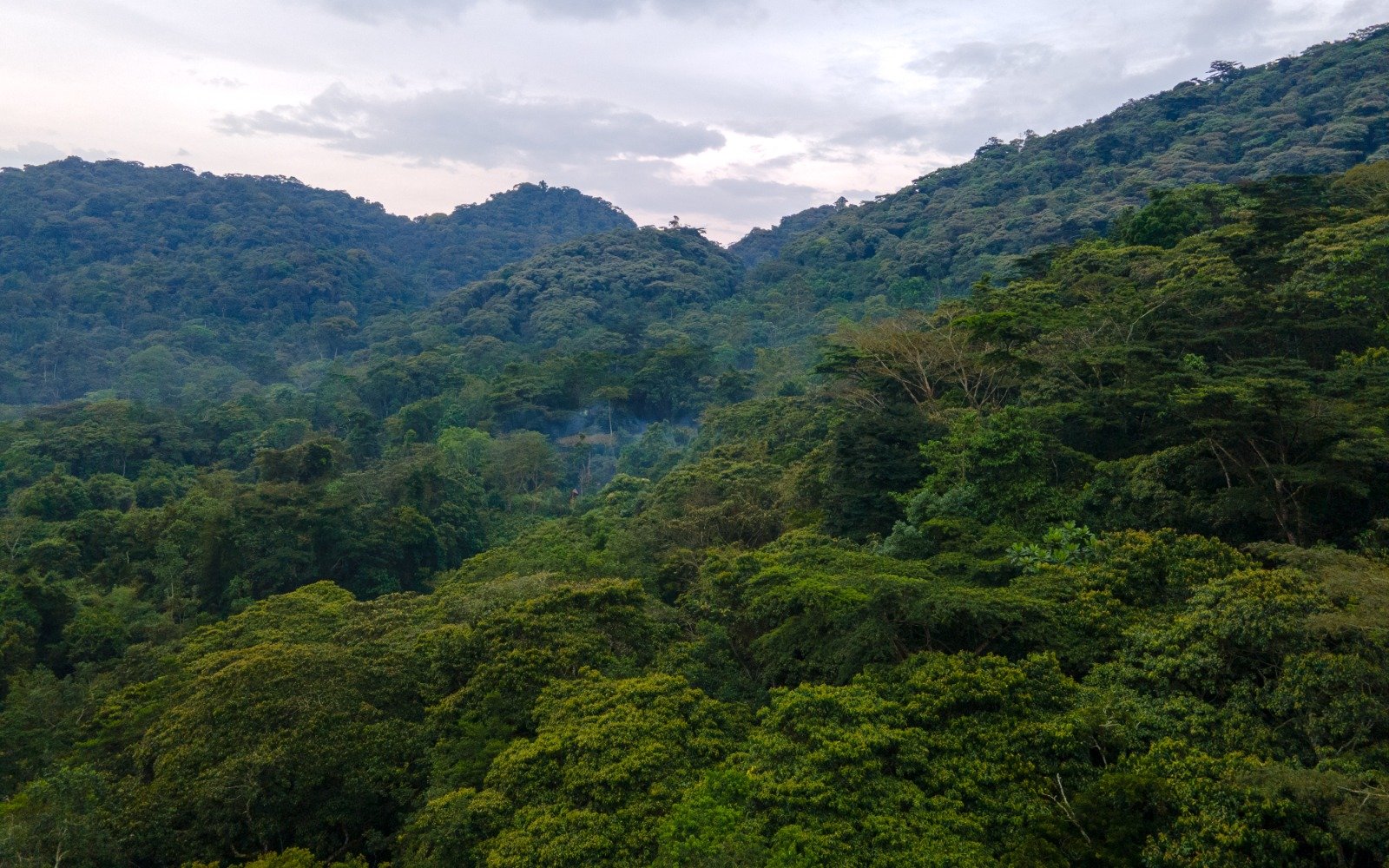
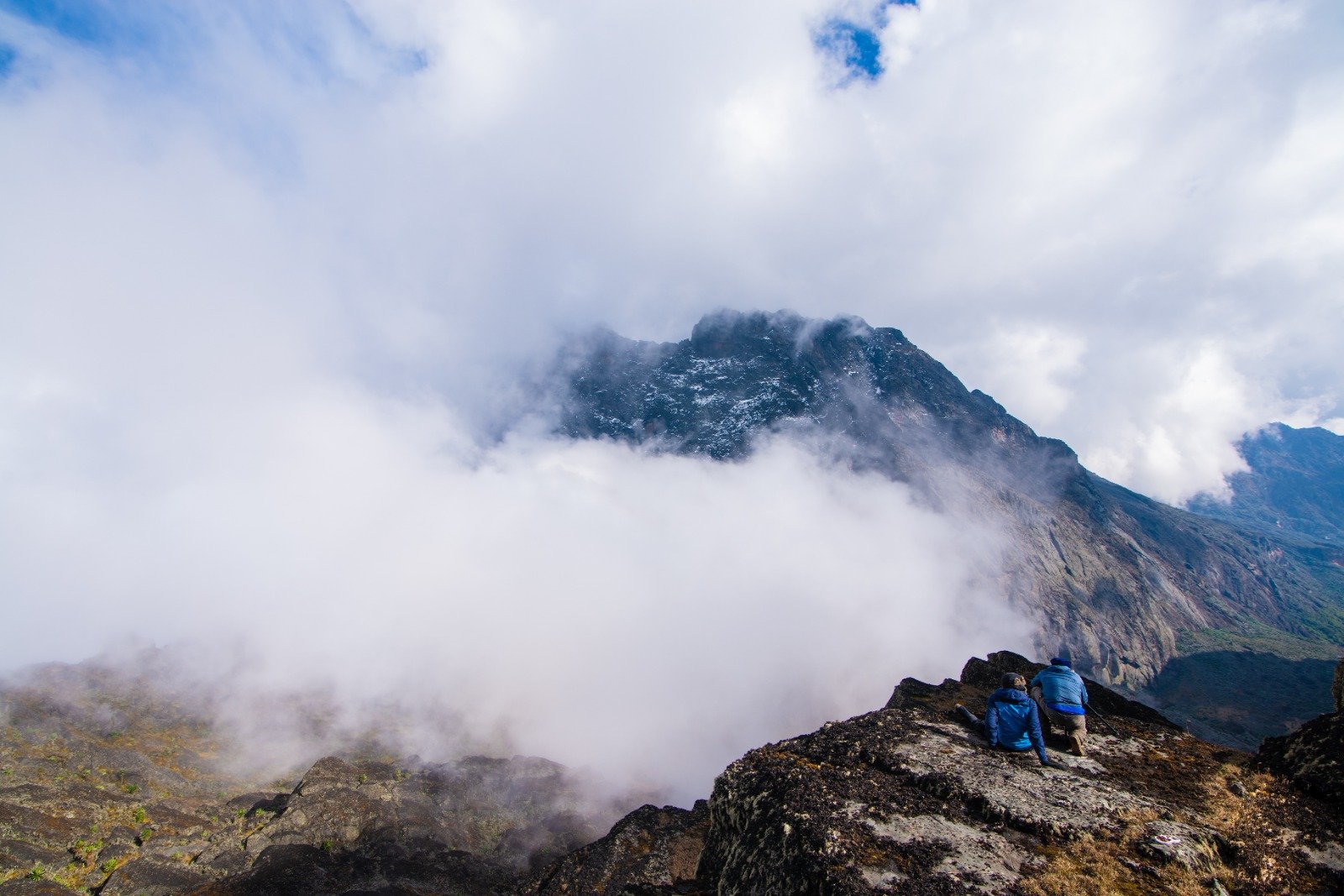
The park takes its name from the volcanoes that define it: Karisimbi at 4,507 metres is the highest summit in Rwanda, and Bisoke, Gahinga and Sabyinyo stand alongside it. The terrain is steep, volcanic and extraordinarily green, and it is one of the wettest places in Rwanda.
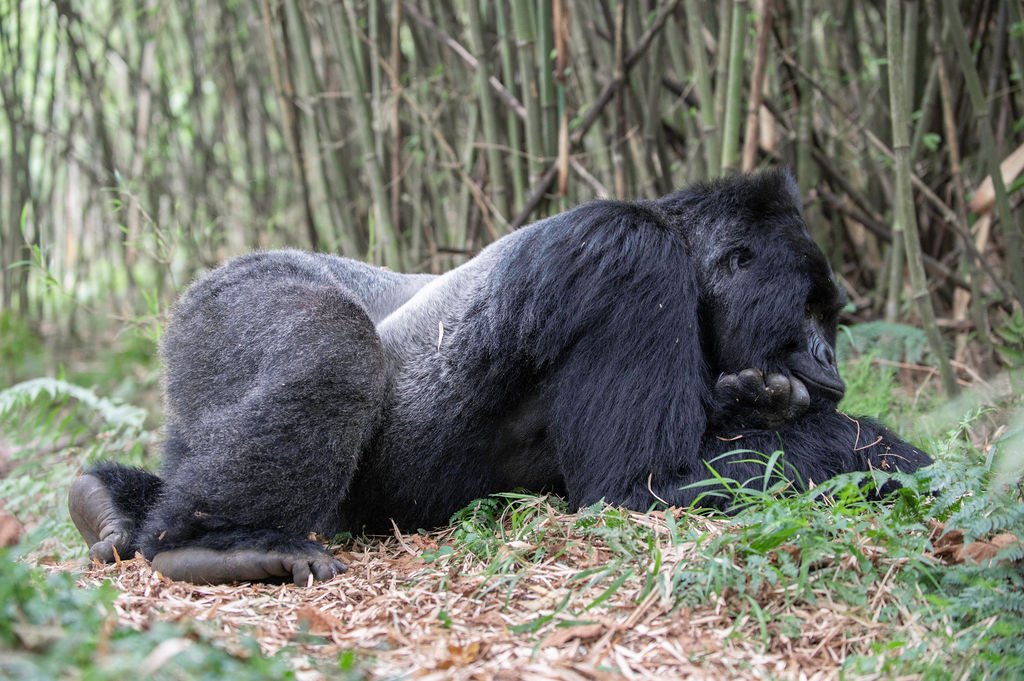
It is, of course, a mountain gorilla park. Around ten habituated groups live here, the highest density of habituated gorilla families anywhere, and the trekking is widely considered the finest on the continent. The permit limit is eight trekkers per group, the same as Uganda, but there are far more groups to choose from.
Dian Fossey established her research station on the slope of Karisimbi in 1967 and worked here for nearly twenty years. Her tomb is on the park trail at the site of Digit's original tomb, and the research centre she built is still there, maintained by the Dian Fossey Gorilla Fund.

The Virunga volcanoes, where Dian Fossey spent twenty years and where mountain gorillas live in numbers no other park can match. This is Rwanda's single essential destination.
Roughly ten habituated families, split into different sectors of the park so that a visit is less about distance and more about how many groups are open on a given day. The permit price is US$1,500 per person, set by the Rwanda Development Board, and covers a full day including the permit.
Karisimbi (4,507 m), Bisoke (3,721 m), Sabyinyo (3,669 m) and Gahinga (3,450 m, shared with Mgahinga in Uganda). Bisoke holds a crater lake with a population of black-and-white colobus monkeys living in the crater itself.
Lava tubes running for hundreds of metres beneath the surface, left by the park's last eruption. Guided walks go a good way in with torches and helmets.
The park holds a substantial list including the Rwenzori batwing, streaked tit, collared sunbird and, on the higher slopes, the endemic Grauer's broadbill.
Golden monkeys in troops of up to 200, red colobus, black-and-white colobus, forest buffalo and the occasional forest elephant in the lower forest.
The wet forest supports a rich amphibian fauna including the critically endangered golden mantella, and a remarkable density of butterflies along the trails.
The reason to come. A full day with a permit, a briefing, a porter team and a ranger-guide, in one of the highest densities of habituated gorilla anywhere.
On the Karisimbi trail, a short walk from the park headquarters to the tomb of Dian Fossey and the research centre she established in 1967.
Climb Bisoke or Sabyinyo for the crater lakes and the views, or attempt Karisimbi itself with a full day and an early start.
A guided walk into the lava tube caves with helmets and torches.
Large troops in the bamboo and forest, usually on the same day as the gorilla trek or as a separate morning walk.
A walk through local villages around the park with a guide, covering how tourism income is shared and how the park fits daily life.
Lodges listed are indicative. Tell us your budget and lodge preference and we will match it when we build your itinerary.
| Location | Lodge | Basis |
|---|---|---|
| Kinigi (northern sector) | Five Volcanoes Boutique Hotel | Full Board |
| Kinigi (northern sector) | Volcanoes Safaris Lodge | Full Board |
| Kinigi (northern sector) | Top Tower Hotel | Full Board |
| Ruhengeri (base town) | Mount Gorilla Lodge, Hotel Muhabura | Full Board |
| Kigali | Lemigo Hotel | Bed & Breakfast |
Most travellers land at Kigali International Airport, then drive two and a half hours to Ruhengeri. Volcanoes Safaris runs a shuttle from Kigali that meets its own guests.
Kigali to the park entrance at Kinigi is around 120 km and two to three hours, depending on traffic. Most lodges arrange the transfer with the gorilla permit booking.
Crossing from Bwindi or Mgahinga takes two to three hours through the border at Cyanika. We handle the cross-border paperwork, but the Ugandan and Rwandan permits are separate and both must be paid for.
June to August and December to February are the dry seasons and give the clearest trekking conditions. Rain is possible any month, and trekking goes ahead regardless. High season fills permits quickly.
The gorilla permit is US$1,500 per person, set by the Rwanda Development Board, and Rwanda publishes the revenue breakdown by destination. It is bought and registered in your name and is non-transferable. Booking well ahead is essential in high season.
Rwanda grants visitor visas on arrival at Kigali International Airport, and the East Africa Tourist Visa covers Rwanda, Uganda and Kenya on one document if you are crossing borders.
Recent travel to areas with Ebola transmission in the Democratic Republic of the Congo can trigger additional screening on arrival in Rwanda. Check current advice before travelling through that region.
These are the itineraries our travellers book most often for this destination. All can be adjusted to your dates, pace and budget.